March 2026
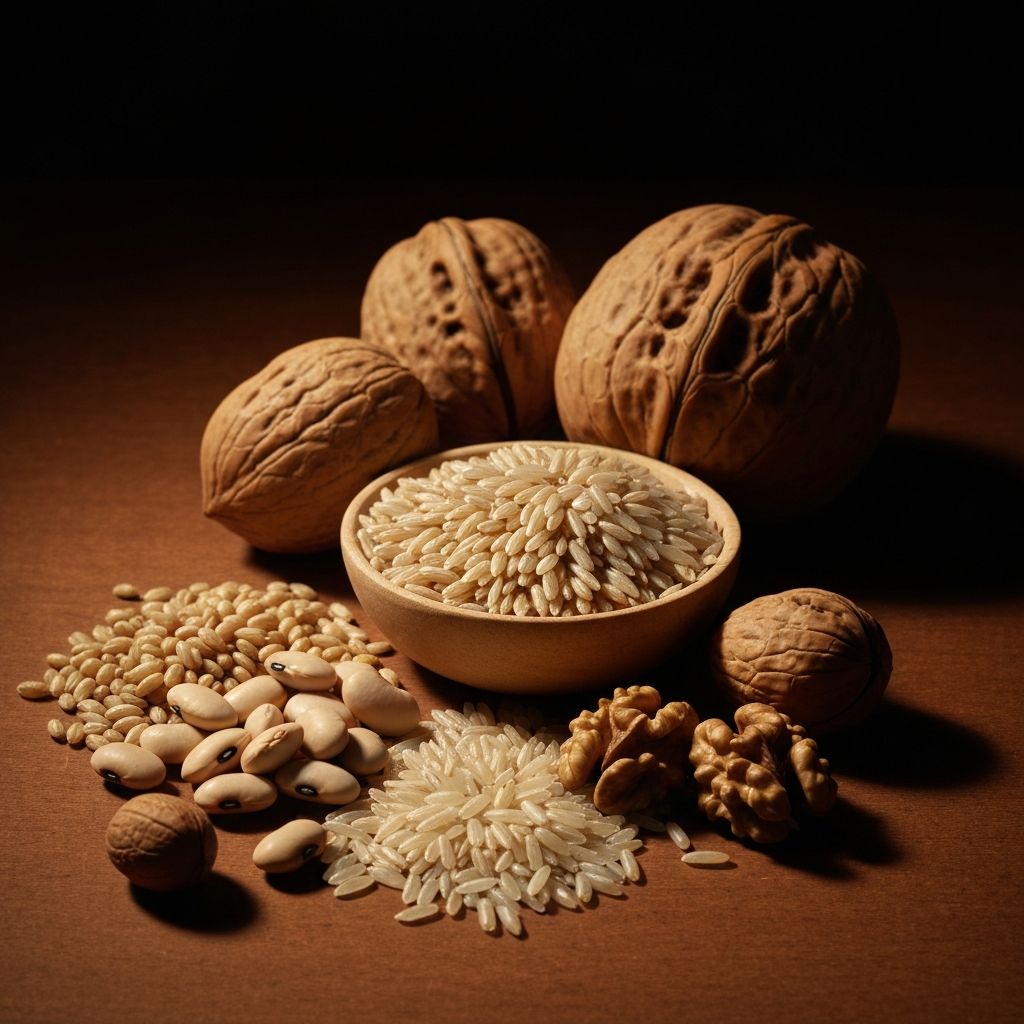
Macronutrients—proteins, carbohydrates, and fats—are the primary components of food that provide energy and support bodily functions. Understanding the structure, function, and metabolic roles of these macronutrients forms the foundation of nutritional knowledge.
Proteins are composed of amino acids linked together in various sequences. The human body contains twenty different amino acids, nine of which are considered "essential" because the body cannot synthesize them and they must be obtained through diet. Essential amino acids must be consumed in sufficient quantity and appropriate balance for optimal protein synthesis.
Proteins serve multiple roles in the body: they form structural components of muscle tissue, enzymes, hormones, and immune cells; they maintain fluid balance; they serve as precursors for neurotransmitters and other signaling molecules; and they can be metabolized for energy, providing 4 calories per gram.
Complete proteins contain all nine essential amino acids in adequate quantities. Animal sources such as meat, fish, eggs, and dairy typically provide complete proteins. Many plant-based sources provide incomplete proteins but can be combined to provide all essential amino acids in sufficient quantity.
Carbohydrates are composed of carbon, hydrogen, and oxygen arranged in various configurations. Simple carbohydrates (monosaccharides and disaccharides) are quickly absorbed and provide rapid energy. Complex carbohydrates (polysaccharides) take longer to digest and provide more sustained energy release.
Carbohydrates serve as the primary fuel source for the brain and central nervous system, provide energy for physical activity, and support metabolic processes. Carbohydrates also provide dietary fiber, a component essential for digestive health, gut microbiota support, and metabolic function. Like proteins, carbohydrates provide 4 calories per gram.
Whole food sources of carbohydrates—whole grains, legumes, vegetables, and fruits—provide not only energy but also fiber, vitamins, minerals, and phytonutrients. These differ significantly from refined carbohydrate sources, which have been processed to remove fiber and many micronutrients.
Dietary fats are essential for multiple bodily functions: they provide the most concentrated energy source at 9 calories per gram; they form structural components of cell membranes; they are precursors for hormone production; they support absorption of fat-soluble vitamins (A, D, E, K); and they provide important signaling molecules.
Different types of fats have different metabolic effects. Saturated fats and unsaturated fats (monounsaturated and polyunsaturated) have distinct chemical structures and influence cholesterol levels, inflammation, and cardiovascular health differently. Whole food sources of fats—nuts, seeds, avocados, fatty fish, oils—provide fats along with beneficial micronutrients and phytonutrients.
Optimal macronutrient ratios vary between individuals based on age, activity level, health status, and personal goals. There is no single "perfect" macronutrient distribution that works universally for all people. Different dietary compositions can support health when based on whole foods and appropriate overall energy intake.
Understanding macronutrients provides a foundation for evaluating dietary choices. All three macronutrients are necessary for health, and the quality of food sources—whole foods providing multiple nutrients versus highly processed sources—significantly influences the overall health impact of dietary patterns.
The content presented on Olenta is for educational and informational purposes only. It is not intended as medical advice, diagnosis, or treatment. The information provided does not replace consultation with qualified healthcare professionals. Individuals should seek personalized guidance from qualified healthcare providers before making significant dietary or lifestyle changes.